

Traditional business intelligence used to focus almost entirely on what happened yesterday. Reports showed last quarter’s sales drop, flagged inventory shortages, or logged budget overruns long after the damage was done. Today, AI data analytics shifts the corporate focus from backward-looking reports to real-time, forward-looking action. Instead of staring at static dashboards, operations and finance teams use predictive models to spot risks, capture market demand, and resolve inefficiencies before they impact the bottom line.
For enterprise leaders, driving real commercial value is not about deploying flashy algorithms for their own sake. It is about matching practical technology to everyday operational problems. Here are five real-world use cases where enterprise organizations use artificial intelligence analytics to build stronger, more profitable operations.
- Dynamic Pricing and Margin Optimization Fixed pricing schedules rarely keep up with fast-changing markets. In industries like logistics, wholesale, and retail, AI models constantly track shifting market demand, local competitor moves, inventory levels, and customer buying habits. Instead of waiting on quarterly pricing reviews, automated systems adjust rates in real time. This dynamic approach keeps margins healthy without driving cost-sensitive buyers away. Standardized pricing adjustments like these consistently lift gross margins by 2 to 5 percent within months of deployment.
- Predictive Demand Forecasting Carrying too much stock ties up working capital, while carrying too little leads to lost sales and frustrated customers. Traditional inventory planning relies on seasonal averages, which often miss sudden shifts in local demand or broader economic swings. Advanced predictive models combine internal sales figures with external data such as regional weather forecasts, local market shifts, and supply chain bottlenecks. The result is a hyper-accurate picture of inventory needs. Research from Gartner shows that embedding advanced analytics into inventory planning can cut forecasting errors by up to 50 percent.
- Proactive Customer Churn Prevention Winning a new account costs far more than keeping an existing client happy. AI risk models track subtle drops in daily user engagement, such as fewer system logins, a spike in support tickets, or small changes in order frequency, that signal a client might be looking elsewhere. By spotting these early red flags, account teams can step in with targeted retention offers or direct support well before the customer submits a cancellation notice.
- Sensor-Driven Equipment Maintenance Unexpected equipment breakdowns devastate production schedules and burn through operating margins. By running machine learning models on IoT sensor data attached to manufacturing gear or delivery fleets, operations teams spot tiny vibration changes, heat spikes, or pressure drops long before a breakdown occurs. Instead of following rigid, calendar-based service schedules, teams service equipment only when it actually needs work. According to McKinsey & Company, predictive maintenance can reduce total machinery downtime by 30 to 50 percent.
- Automated Fraud and Risk Prevention Old-school, rules-based safety systems flag far too many false positives, cluttering compliance queues and slowing down honest transactions. Modern machine learning models process millions of data variables in real time to establish clear baseline behaviors. They catch suspicious activity instantly without adding frustrating friction to valid customer transactions.
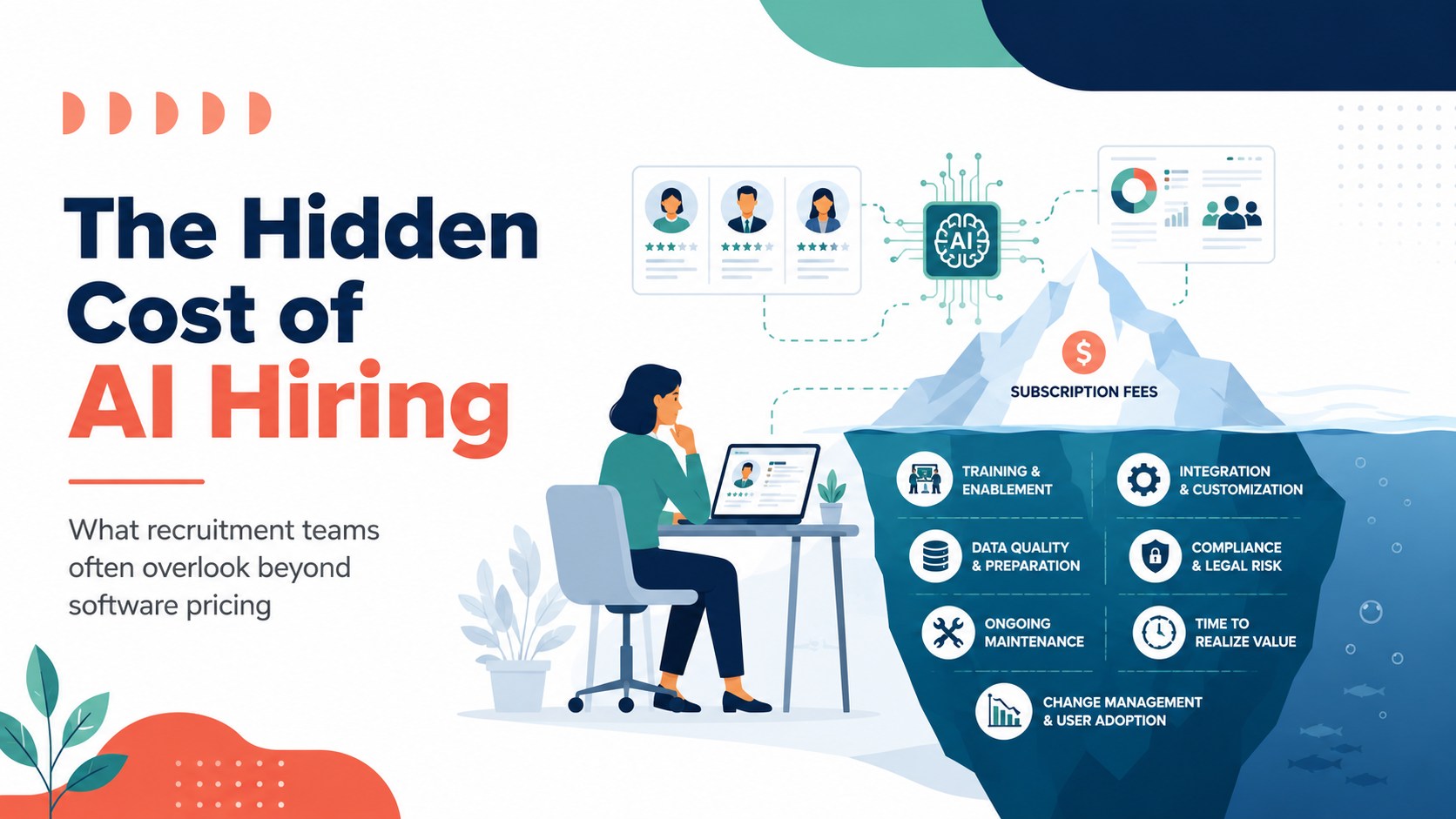
Making the Case for AI Execution Setting up these systems takes more than buying another software subscription. The primary bottleneck is rarely the algorithm itself; it is data hygiene and having the right internal talent to manage it. Organizations that achieve real ROI from AI data analytics invest early in fixing their data pipelines, cleaning up legacy records, and assembling cross-functional teams that understand both the technology and the commercial goals.
AI-driven decision making works best when organizations treat it as a core operational strategy rather than an isolated IT project. By focusing on specific operational headaches, business leaders turn passive company data into an active engine for steady, predictable growth.