

Most enterprise leaders don’t need another pitch deck explaining what artificial intelligence can do. They’ve already bought the licenses, integrated early-stage models, and funded proof-of-concept projects across multiple departments.
Yet despite widespread deployment, a massive value gap remains.
According to research from McKinsey & Company, while over 90% of organizations regularly use AI in at least one business function, only around 6% of high performers see a meaningful impact on earnings (EBIT) directly attributable to their AI investments.
This disparity reveals a critical operational truth: deploying AI models is not the same as driving business outcomes. The bottleneck isn’t model sophistication – it’s how data pipelines, system performance, and daily business operations connect to those models.
Why Data Solutions Are Only Half the Equation
Building clean data lakes and robust enterprise data warehouses is a fundamental requirement. However, traditional data solutions primarily organize historical information. They show you where your business has been.
Moving from raw data collection to measurable ROI requires solving three common operational failures:
- The Pipeline-to-Inference Gap: Machine learning models require continuously updated, structured data streams. Static nightly database dumps result in delayed insights and model drift.
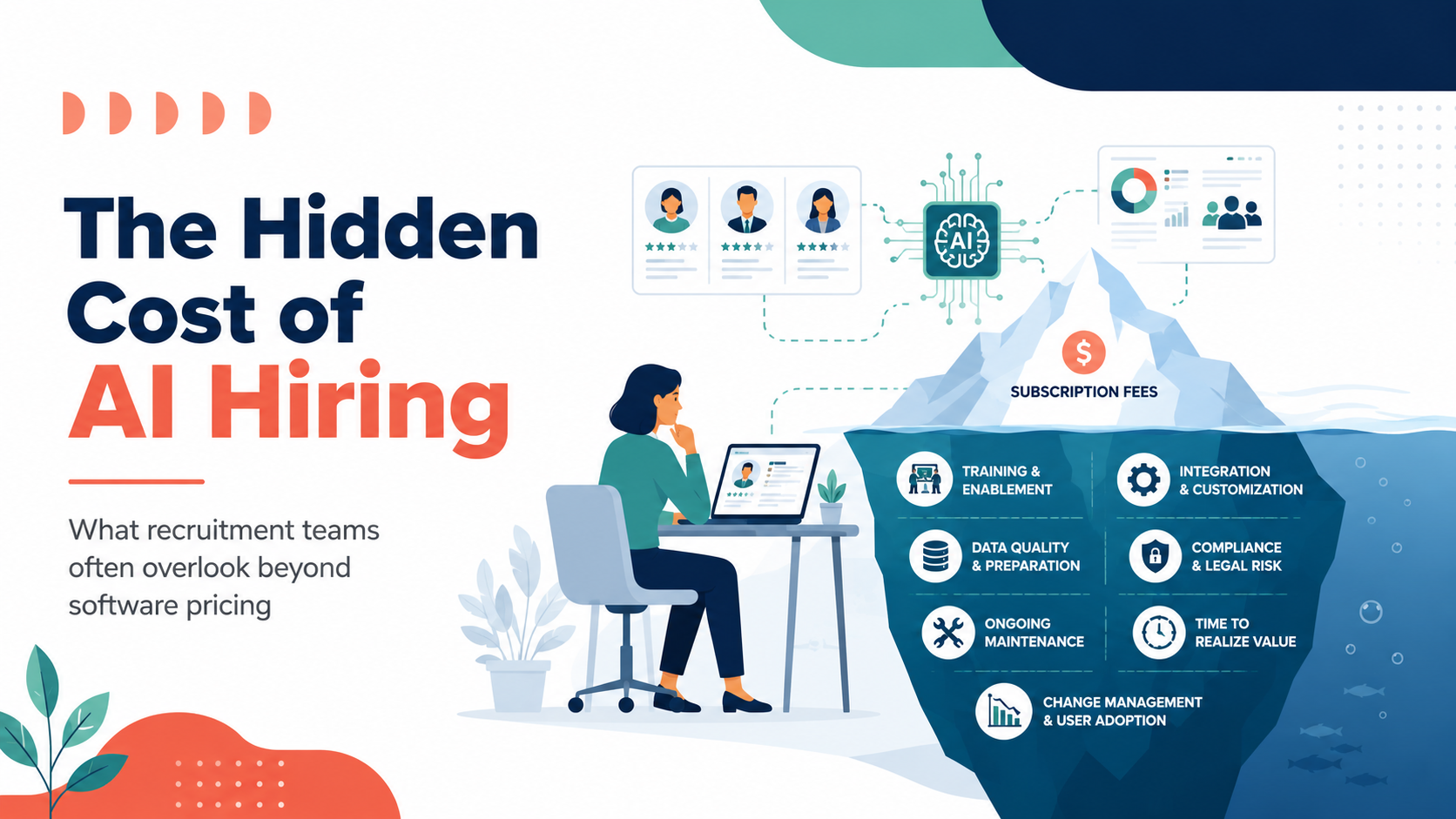
- Uncontrolled Infrastructure Costs: Research indicates that 1 in 5 organizations cite surging compute and token operational costs as a primary constraint on scaling enterprise AI. Without performance engineering, system latency and resource bloat erode project margins.
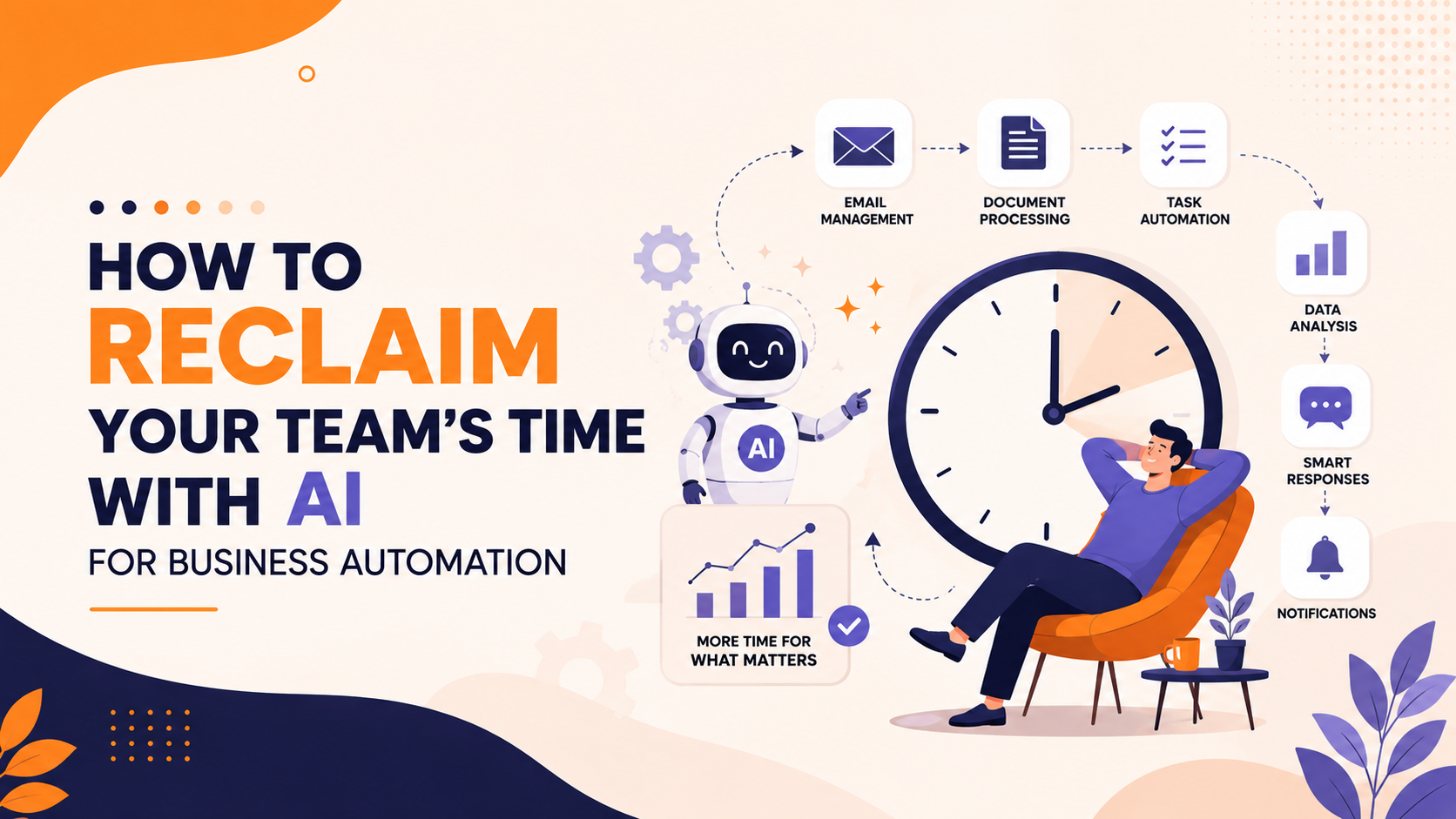
- Workflow Disconnect: An AI insight trapped in a separate analytical dashboard rarely changes behavior. To drive results, model outputs must embed directly into the front-line tools employees use every day, such as CRMs, ERPs, and automated dispatch engines.
The Anatomy of Outcome-Driven Execution
High-performing companies treat enterprise AI as an end-to-end execution pipeline rather than an isolated IT project. According to global industry surveys, organizations that systematically integrate AI models into core operational workflows achieve full project ROI in an average of 14 months.
To move from pilot projects to financial results, enterprise teams focus on three execution disciplines:
- Performance Engineering: Optimizing query speed, model latency, and compute allocation so algorithms run fast and cost-effectively at scale.
- Unified Data Architecture: Structuring pipelines so operational data flows seamlessly between legacy systems and ML models without manual intervention.
- Targeted Talent Allocation: Deploying specialized engineers who understand both data architecture and the practical realities of enterprise software integration.
The organizations outperforming their peers aren’t chasing every new model release. They are systematically refining the infrastructure that turns raw data inputs into fast, reliable, and automated business decisions.
Bridging the Execution Gap with Jay Analytix
Turning enterprise data investments into real operational efficiency requires bridging technical complexity with clear execution.
At Jay Analytix, we help organizations consume complexity and deliver simplicity across every stage of the data-to-outcome lifecycle. By unifying Data Solutions, AI/ML Integration, Performance Engineering, and specialized IT Staff Augmentation, we ensure your data systems deliver measurable financial value and not just technical capacity.
Whether you need to streamline data pipelines, optimize infrastructure performance, or deploy senior technical talent to scale your AI roadmap, we provide the execution discipline required to drive results.