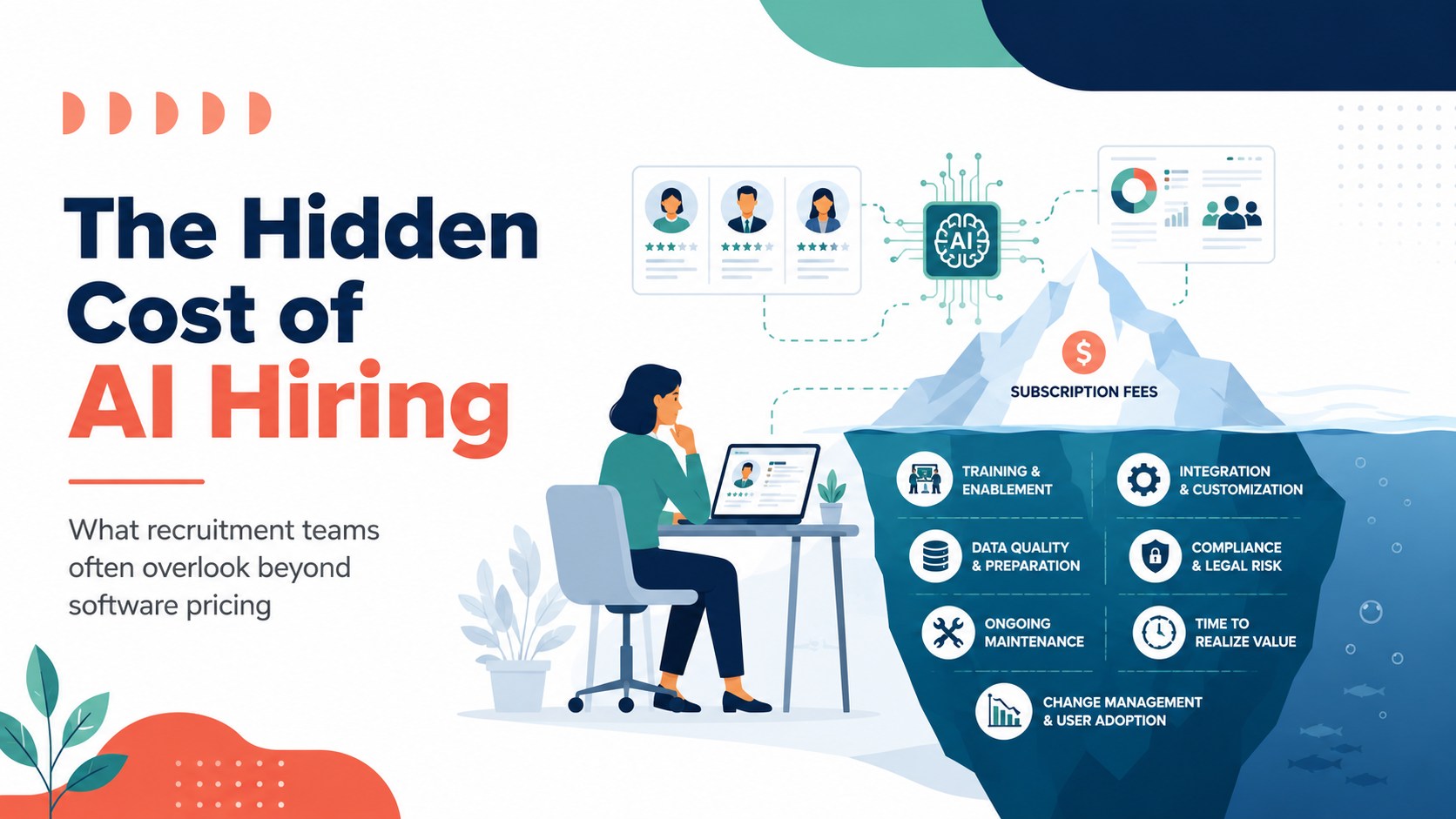


Imagine purchasing a cutting-edge AI sourcing platform expecting immediate productivity gains. Within months, your staffing firm discovers unexpected integration hurdles, legacy data cleanup requirements, and major workflow disruptions. The software license fee, it turns out, was only the tip of the iceberg.
Having covered recruitment technology for more than two decades, I have witnessed this cycle repeat across multiple waves of technology adoption. Understanding the true cost of artificial intelligence requires looking far beyond vendor pricing pages. The success of any technology investment is determined not by its features, but by its ability to generate measurable business value.
Understanding the Real Cost of AI for Recruiting Companies
When evaluating AI recruiting software, firms often focus entirely on sticker pricing, whether it is monthly licensing, per-user fees, or usage-based models. However, scaling these tools across a growing team can rapidly inflate costs.
According to research from Gartner, software licensing typically accounts for less than 30% of the total cost of ownership for enterprise AI initiatives. As your team grows, premium features and increased usage tiers can quietly erode your technology budget if they are not budgeted accurately from day one.
The Hidden Expenses Most Recruitment Firms Overlook
The true financial reality lies in the operational friction of deployment. Effective recruitment automation requires seamless data flow. Integrating new AI tools with your existing ATS and CRM platforms often demands custom development work and heavy IT involvement.
Furthermore, data migration, process redesign, internal change management, and compliance reviews add significant overhead. A study by McKinsey highlights that technology implementations frequently stall or overshoot budgets due to a lack of user adoption and training. These hidden AI implementation costs often exceed the initial software price tag, while opportunity costs during the rollout period can temporarily depress recruiting operations.
Where AI Delivers ROI for Recruiting Companies
Despite these expenses, recruitment process automation can drive measurable value if applied strategically. Real recruiting ROI is generated by targeting high-volume, low-variability administrative tasks.
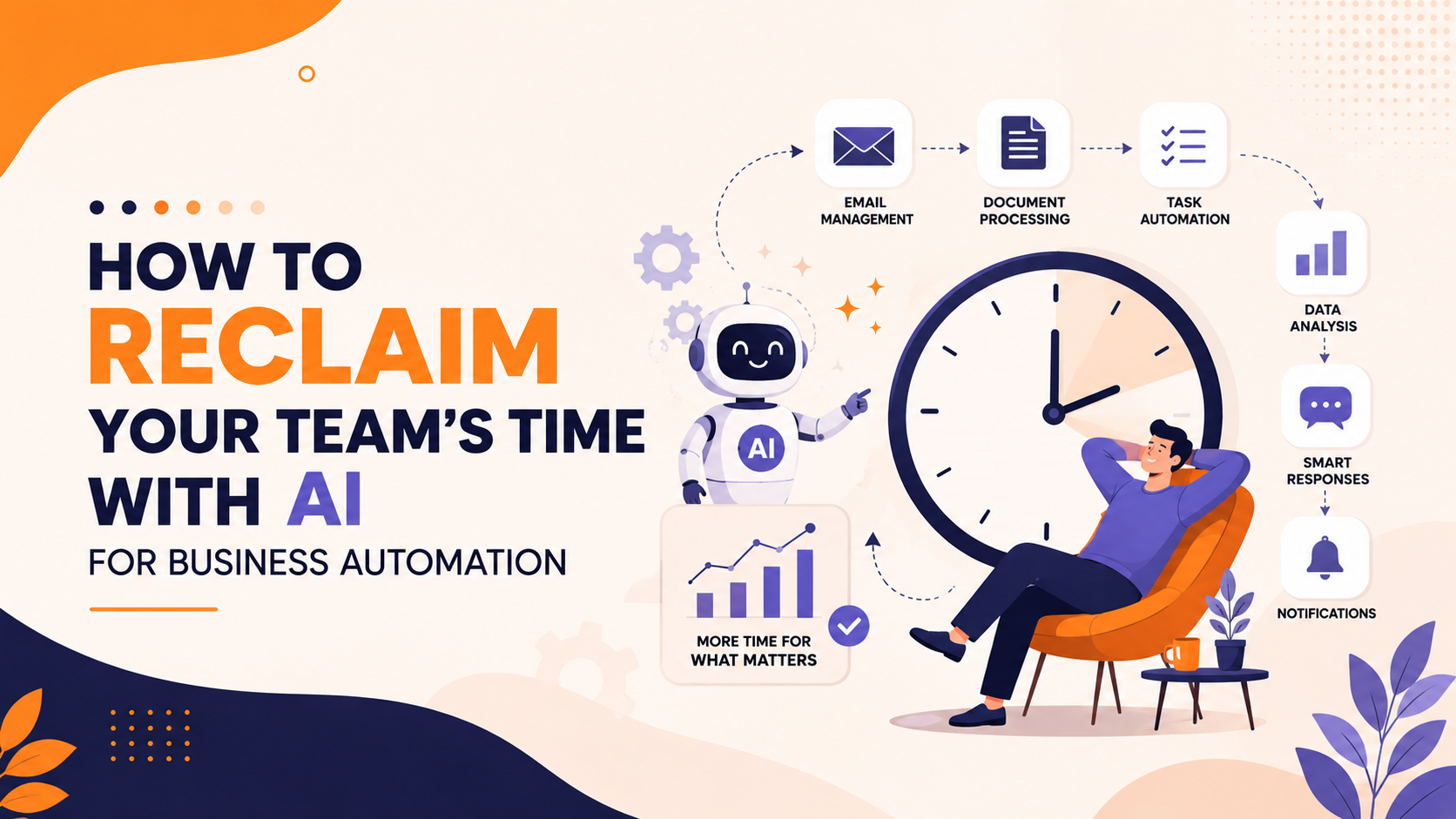
AI excels at automated scheduling, updating candidate records in your CRM, and parsing massive databases for initial candidate sourcing assistance. Automating these workflows directly reduces manual overhead, decreases time-to-fill metrics, and streamlines operations.
AI Tasks for Humans: Finding the Right Balance
To maximize profitability, staffing technology buyers must establish a clear framework defining AI Tasks for Humans. Successful recruitment firms do not use technology to replace human capital; they use it to optimize resource allocation.
Activities that must remain human-led include high-value relationship building, client consultations, candidate coaching, and final hiring negotiations. Conversely, data entry, workflow automation, and preliminary screening support make excellent AI-driven tasks. Properly allocating AI Tasks for Humans prevents overspending on overly complex software while ensuring your consultants focus entirely on revenue-generating activities.
| AI-Supported Tasks | Human-Led Activities |
| Interview scheduling | Client relationship management |
| CRM data entry & record updates | Candidate coaching & assessment |
| Preliminary database screening | Final hiring negotiations |
| High-volume resume parsing | Strategic workforce planning |
Evaluating AI Investments Before You Buy
Before acquiring new talent acquisition technology, leadership teams should calculate the expected payback period. Run a limited pilot program to measure actual productivity gains rather than relying solely on vendor case studies. Identify all integration, training, and maintenance expenses beforehand to ensure your financial planning aligns with operational realities.
How Jay Analytix Helps Recruitment Firms Navigate AI Investments
Navigating these complex technology investment decisions requires independent expertise. Jay Analytix helps organizations evaluate, implement, and integrate AI solutions tailored to their specific business operations. By providing objective cost analysis and digital transformation support, Jay Analytix ensures your staffing firm builds a scalable technology footprint without facing unbudgeted implementation surprises.
Conclusion
The true cost of AI is found in adoption, workflow integration, and ongoing governance. The most profitable recruiting firms are not those spending the most on software, but those carefully defining AI Tasks for Humans and managing their total cost of ownership. Successful adoption is fundamentally a financial planning exercise.